Camp coordinator experience from Finland: Sustainable Gardening and Renovations in a Heritage Landscape

What is it like to be a camp coordinator in an international volunteer camp in Finland? Camp coordinators are volunteers who participate in the camp work, but also have special role in supporting the group spirit and the coordination of the camp team. Dive into the camp coordination experience with Gerawati!
Text and photos: Gerawati Krismonika
The workcamp brought together an international group of volunteers to contribute to sustainable gardening, environmental conservation, and the maintenance of a heritage landscape in Teisko, Finland. As the camp coordinator, I was responsible not only for participating in the practical work but also for helping the group communicate, organise daily activities, share responsibilities, and create a positive atmosphere throughout the camp. The experience was meaningful both as a volunteer and as an opportunity for my personal and leadership development. We started the camp with a shared dinner, which gave us an opportunity to get to know one another and create a comfortable atmosphere before beginning the activities.
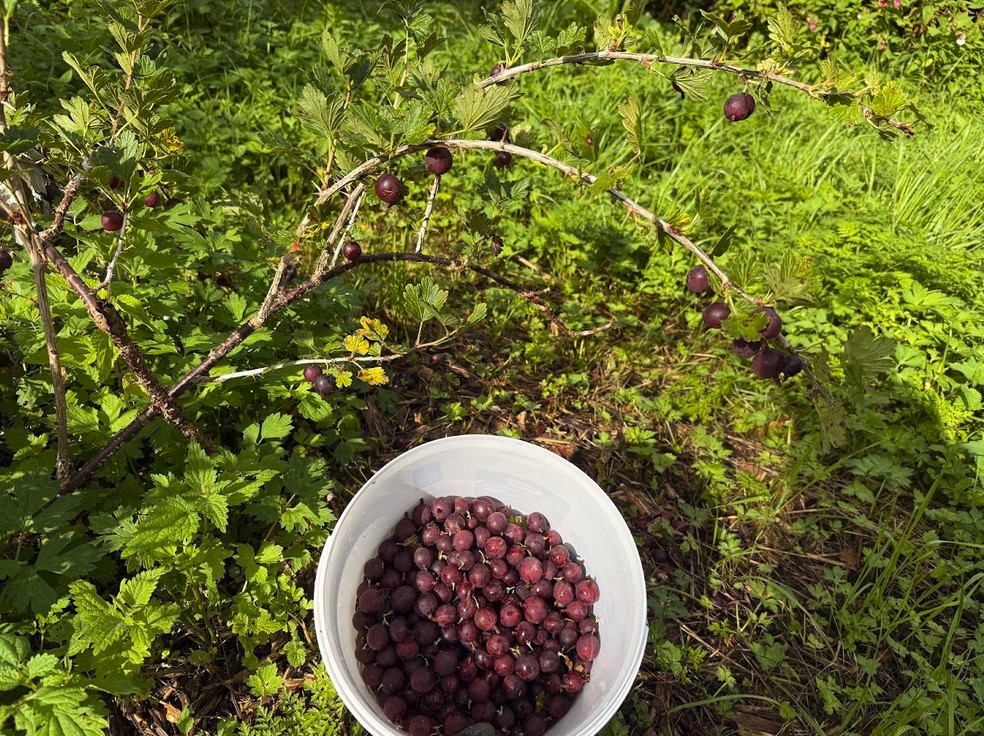
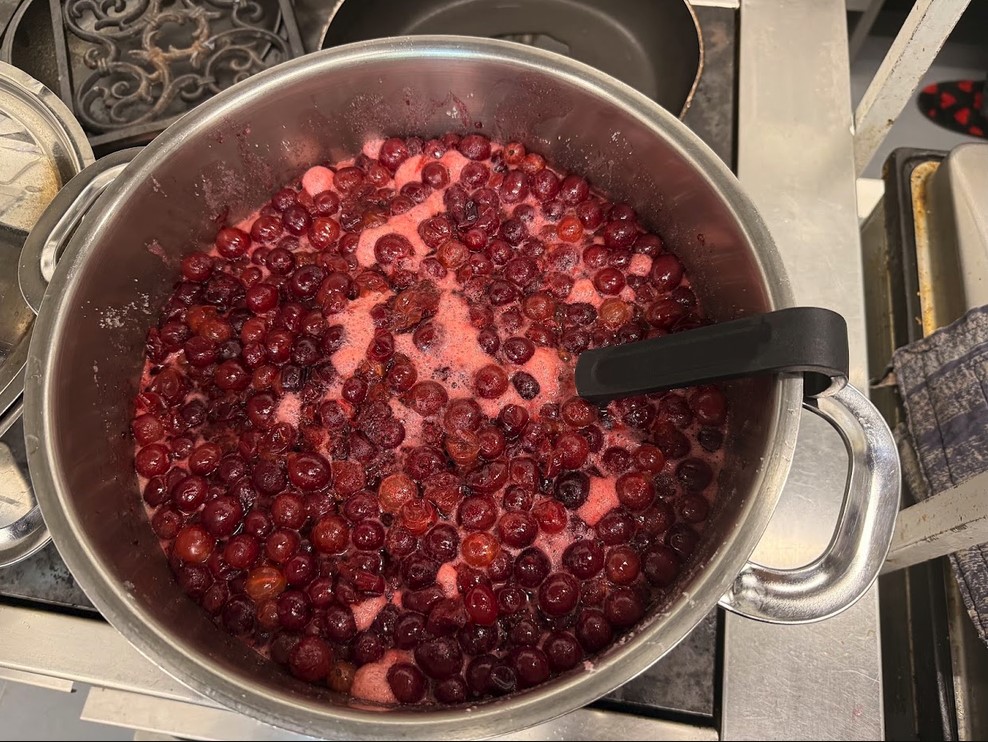
On the first full day, we picked blackcurrants and gooseberries and had our first discussion about our expectations, wishes, and fears for the camp. This was particularly useful because it helped us understand what everyone hoped to experience and what concerns they might have. As coordinator, I learned that creating space for everyone to speak openly at the beginning can help build trust and make later teamwork easier.
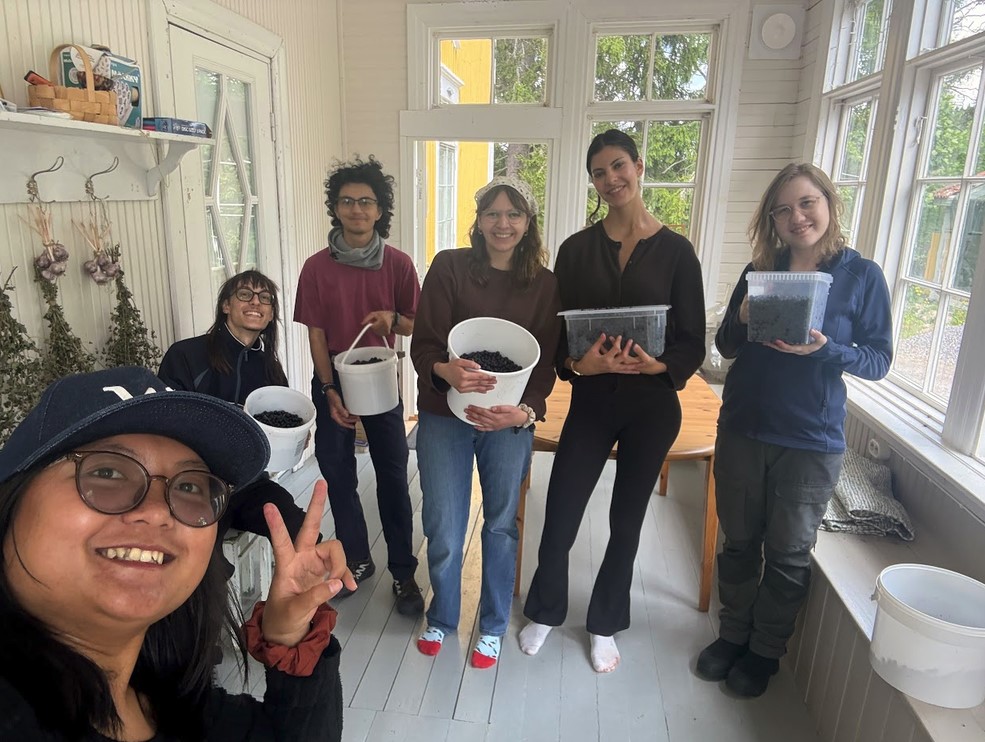
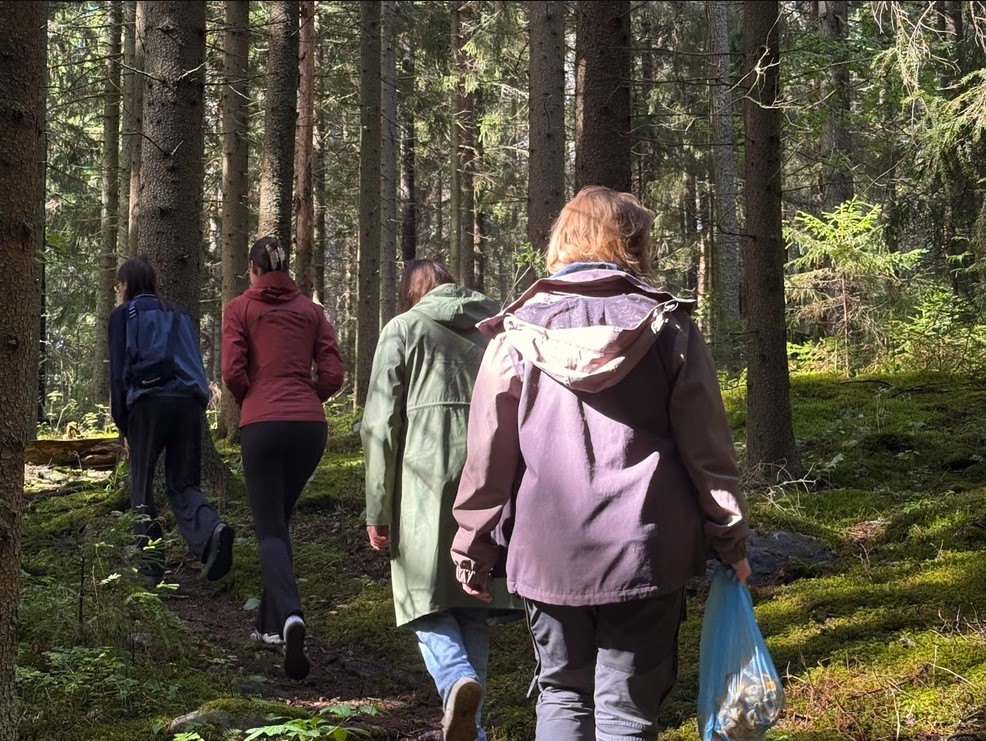
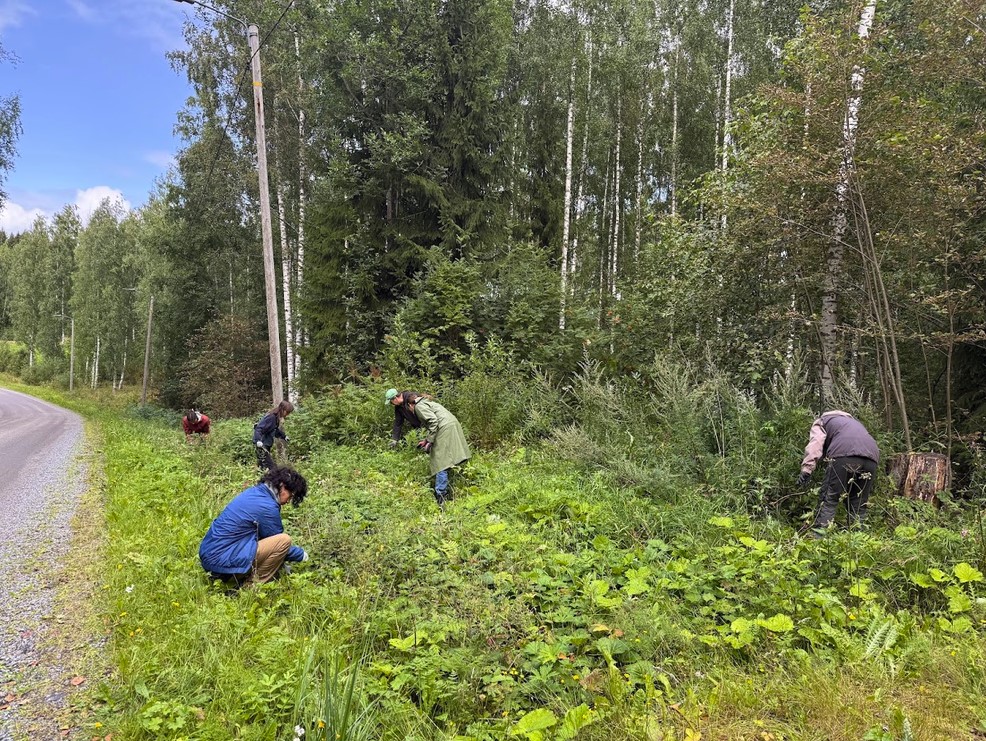
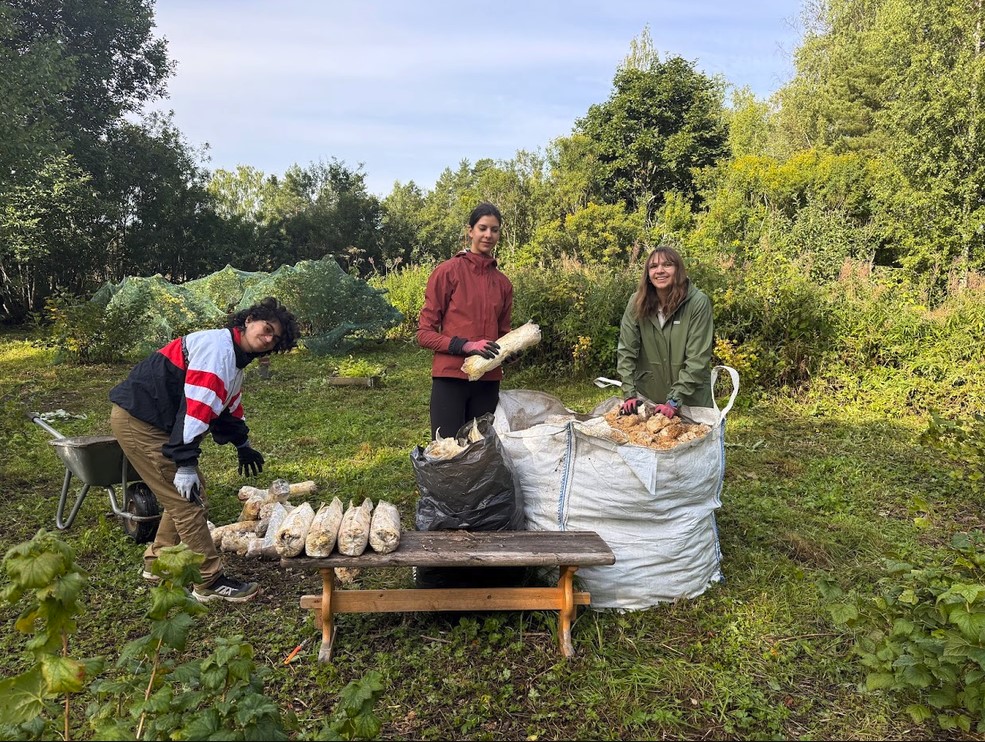
During the following days, our mornings were mainly dedicated to practical gardening and environmental work. We picked berries, cleaned garlic, removed invasive plants, and learned more about the garden and the surrounding environment. We also worked with mushroom-growing materials and learned how the used growing bags could be opened and reused as compost. One of the most interesting activities was learning about and picking lion’s mane mushrooms.
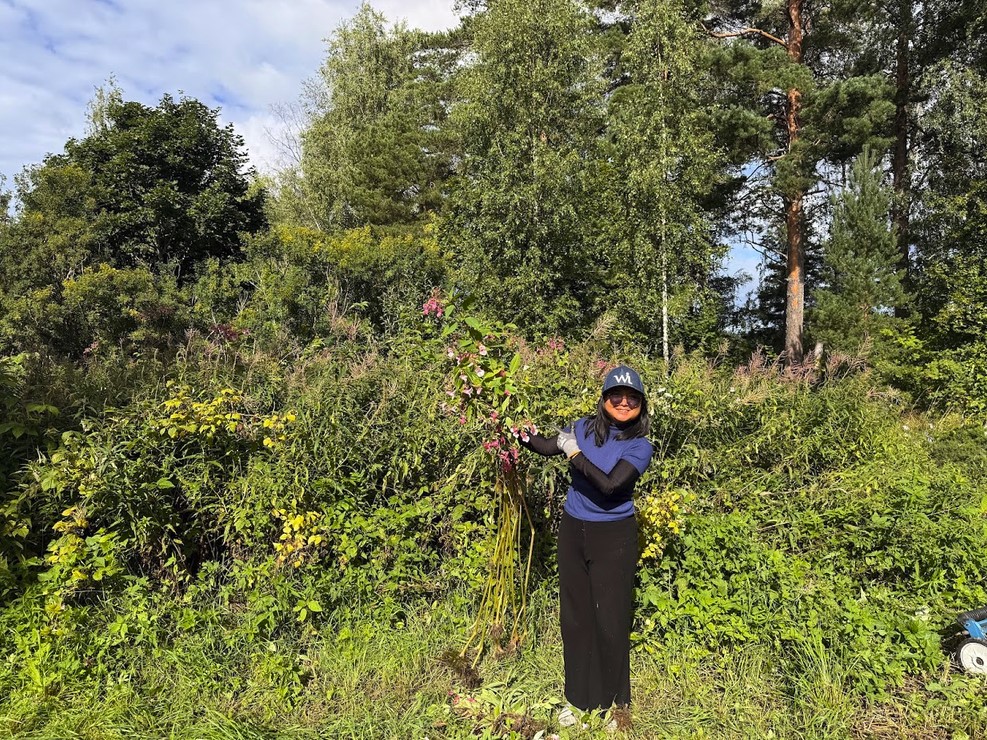
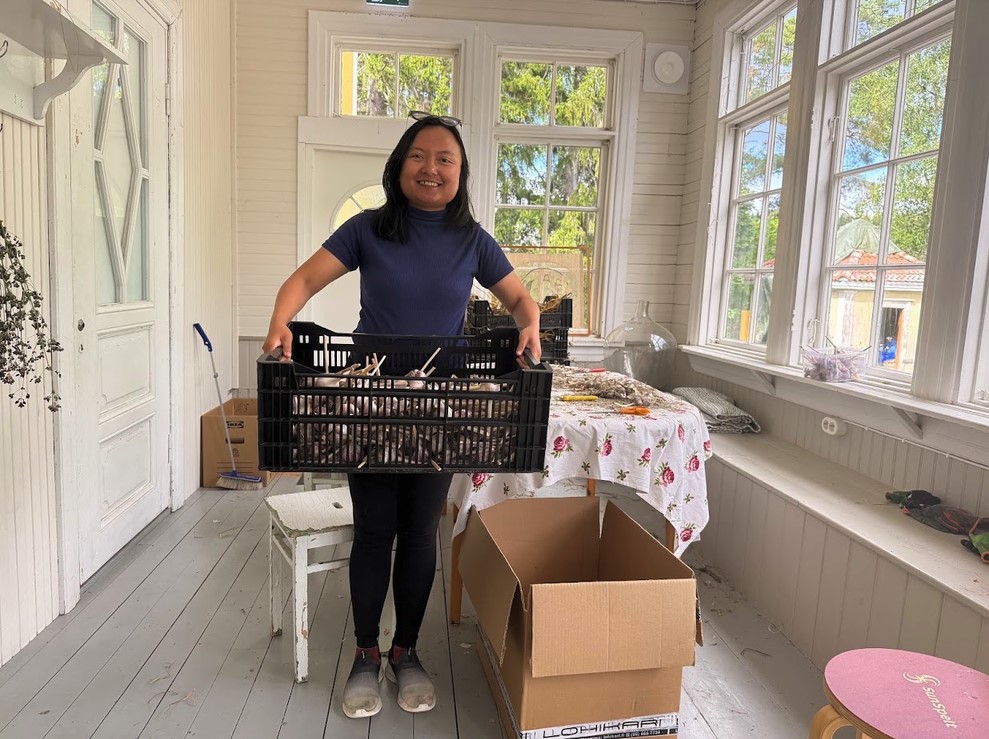
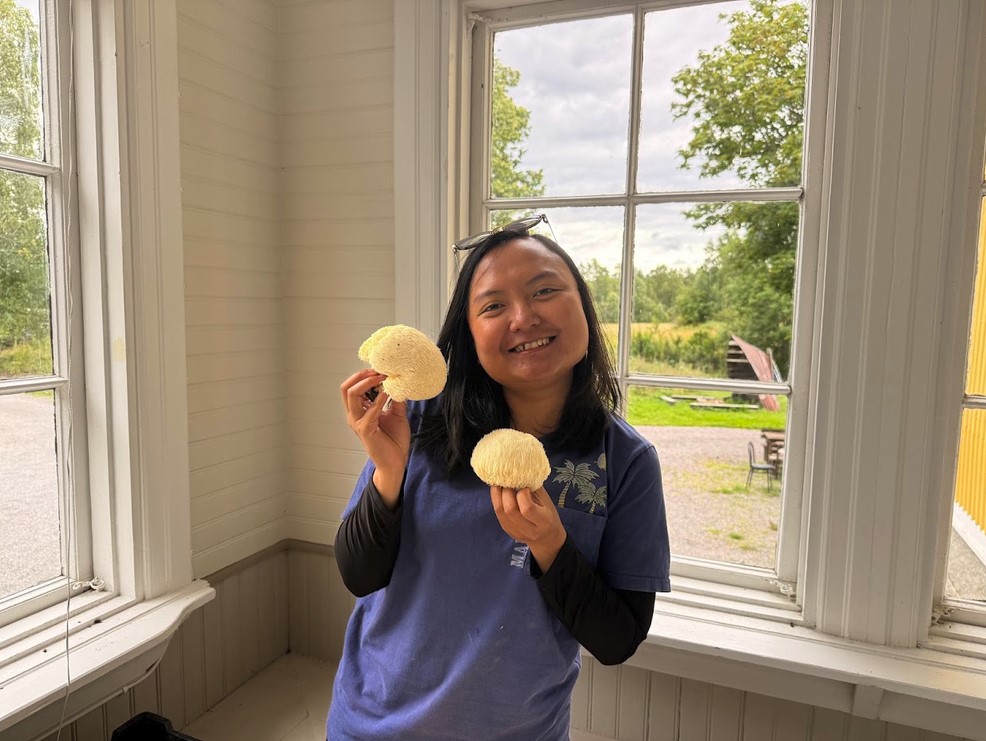
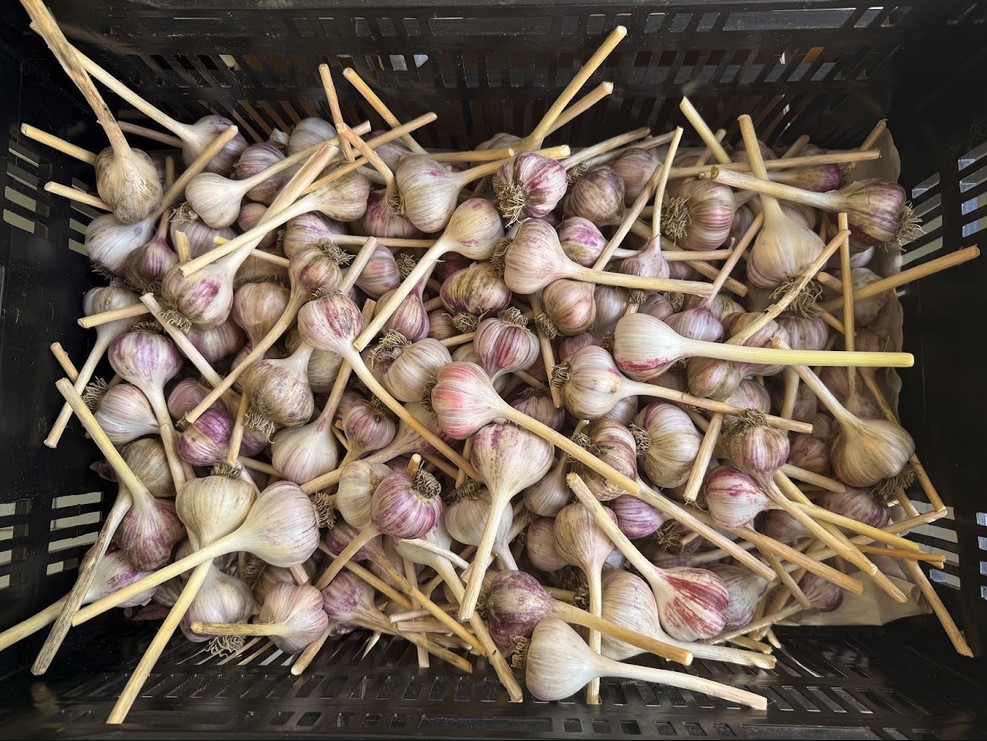
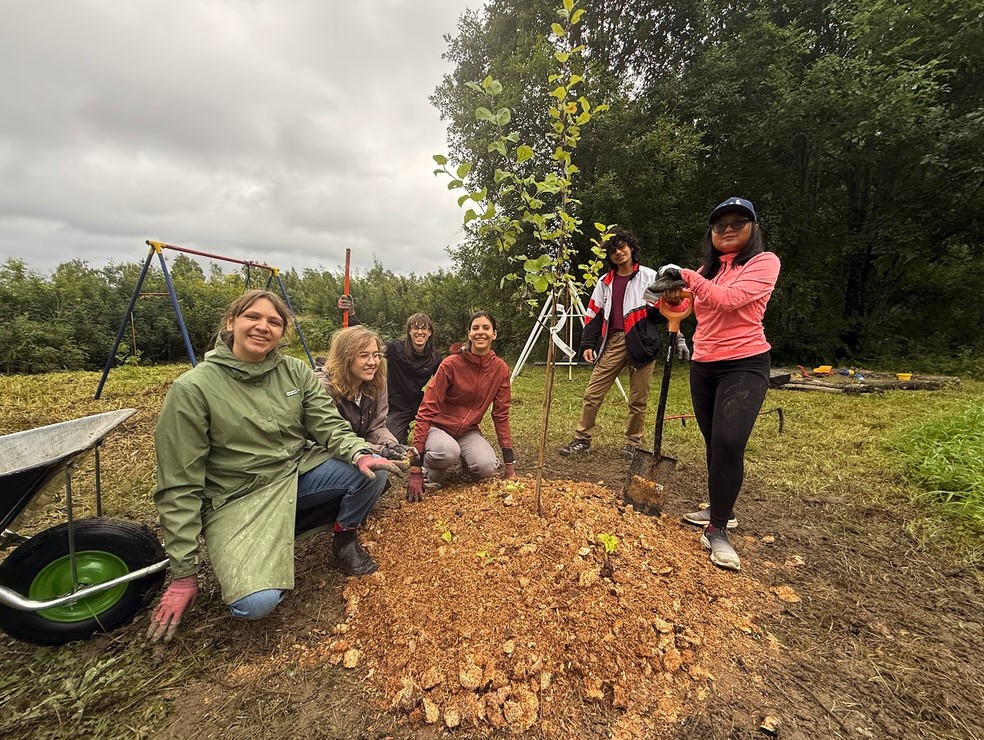
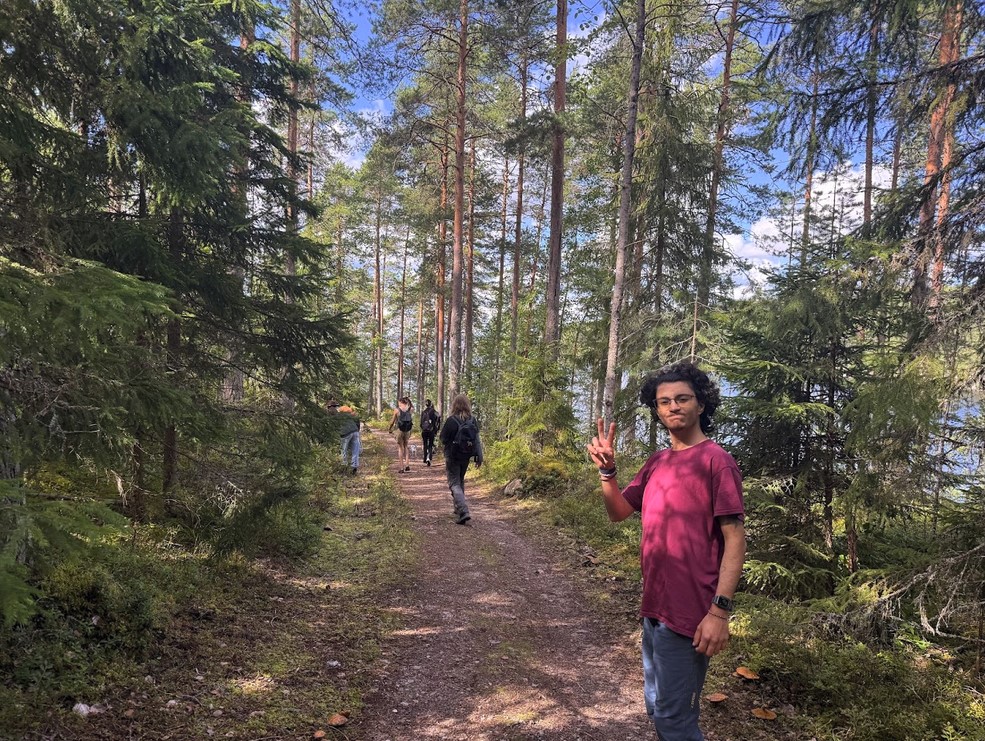
These activities helped me understand sustainability from a practical perspective. Instead of only discussing environmental responsibility theoretically, we could see how food production, gardening, composting, and caring for the landscape were connected. Removing Himalayan balsam and other invasive plants was another important part of our work. Although some of the tasks were physically demanding and repetitive, doing them together made them enjoyable. We also cleaned and maintained trails around the camp area. Later in the week, we planted an apple tree, which gave us a strong feeling that our contribution could have an impact beyond the duration of the camp. The tree will continue to grow after we leave, just as the work we did to maintain the landscape can benefit the place in the future.
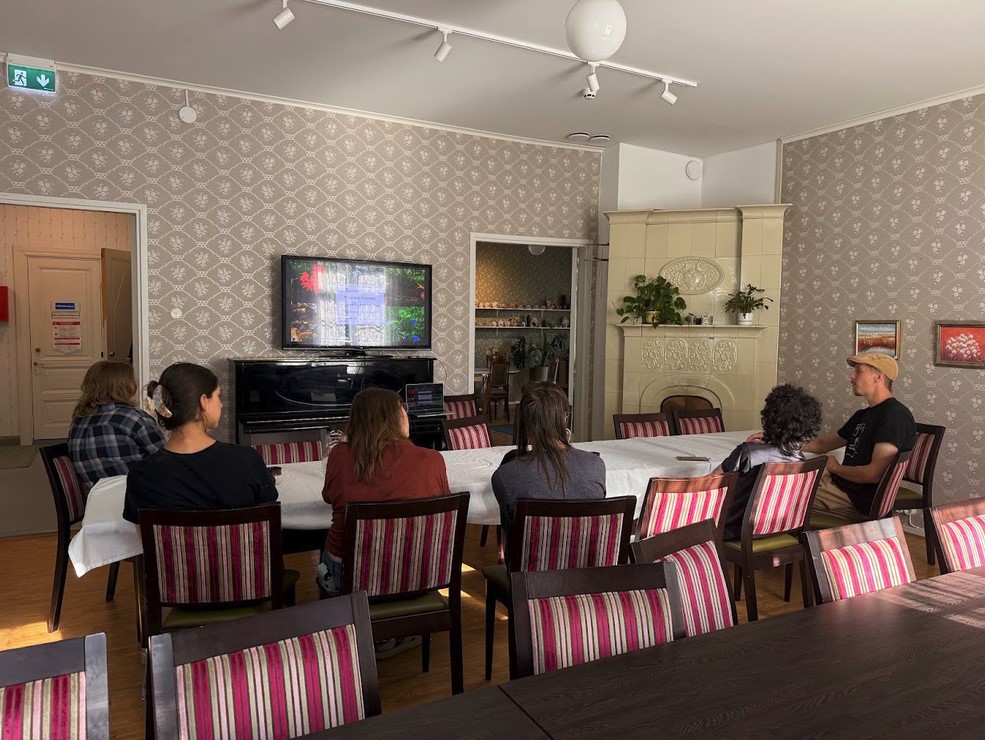
The camp also included several educational and reflection sessions. We learned more about KVT Finland, SCI, international volunteer camps, and the values behind volunteering. We discussed peace through different statements and perspectives and reflected on our own values. Another session focused on “growing together” in a community. These discussions encouraged us to think about volunteering not simply as doing physical work, but as an opportunity to learn from others, challenge our own perspectives, and become more active members of a community.
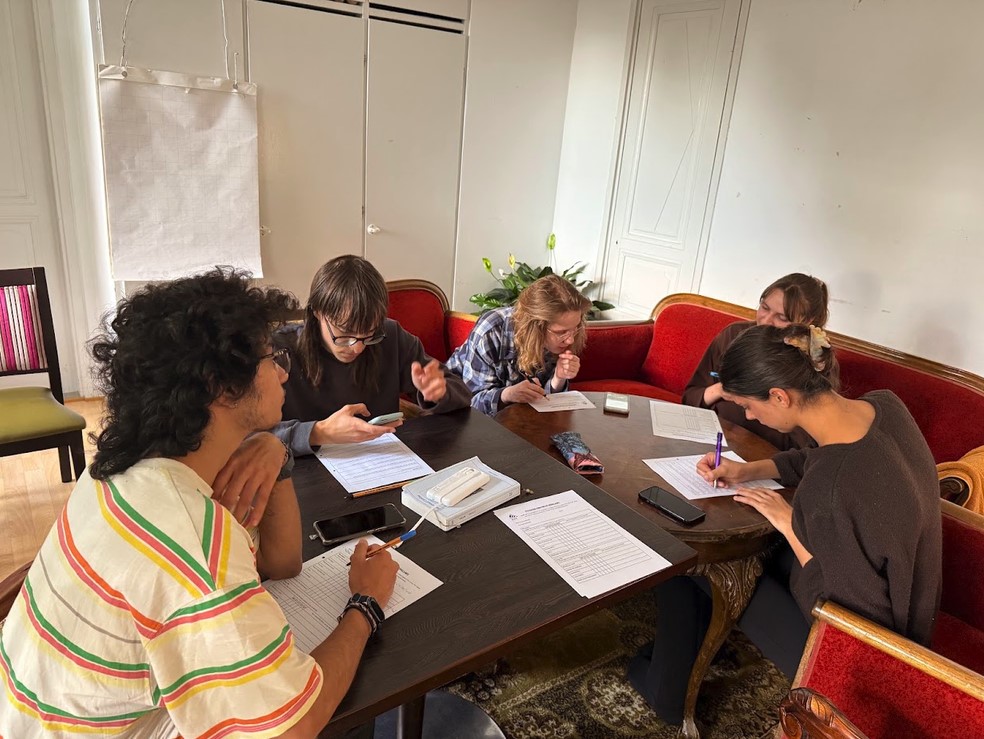
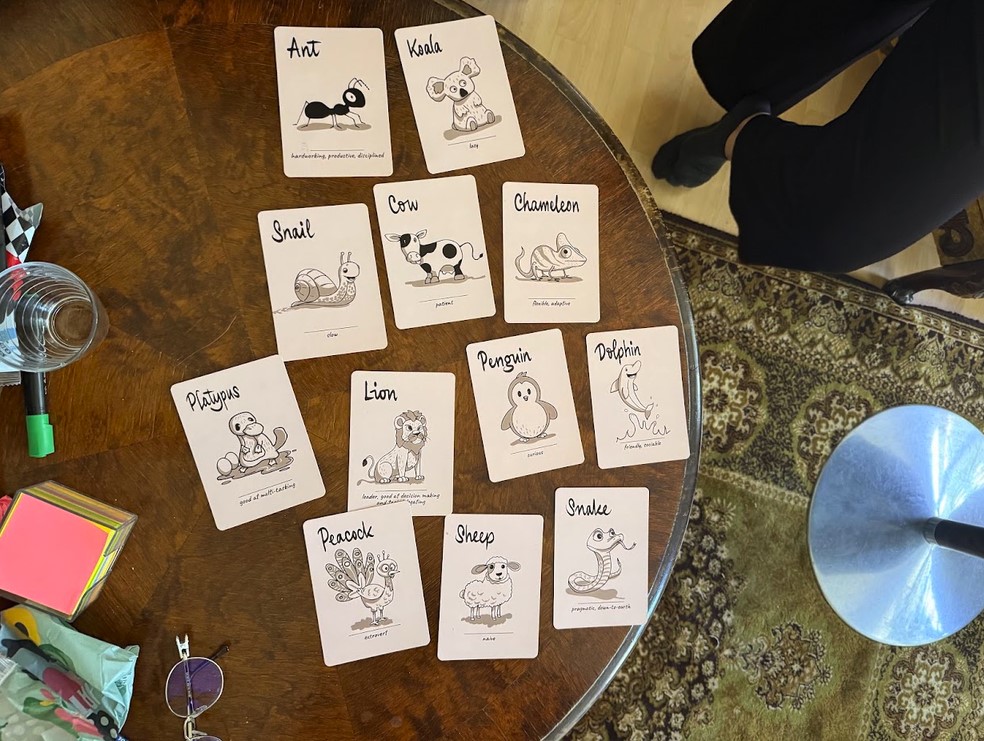
As camp coordinator, I experienced significant growth in my leadership skills. At the beginning, I sometimes felt responsible for making sure everything went smoothly and that everyone was satisfied. However, I gradually learned that being a good coordinator does not mean doing everything myself or controlling every situation. Instead, it means creating a structure in which everyone can contribute. We divided cooking, cleaning, gardening, and other responsibilities among the participants. I learned to communicate expectations more clearly, listen to different opinions, and be flexible when plans changed.
One example was organising our cooking responsibilities. Preparing meals for an international group required communication and cooperation because everyone had different cooking experiences, preferences, and ideas. I learned to delegate tasks rather than taking responsibility for everything myself. I also became more comfortable asking for help when needed. This was an important personal lesson because leadership is not about being able to do everything alone; it is about knowing how to work with people and make use of everyone’s strengths.
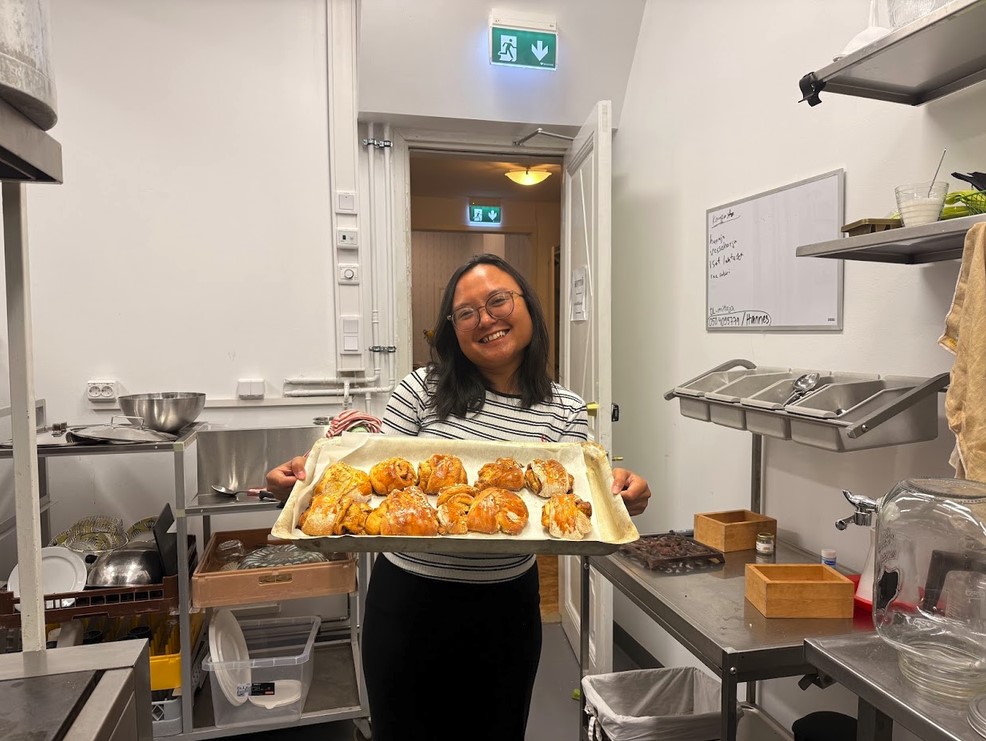
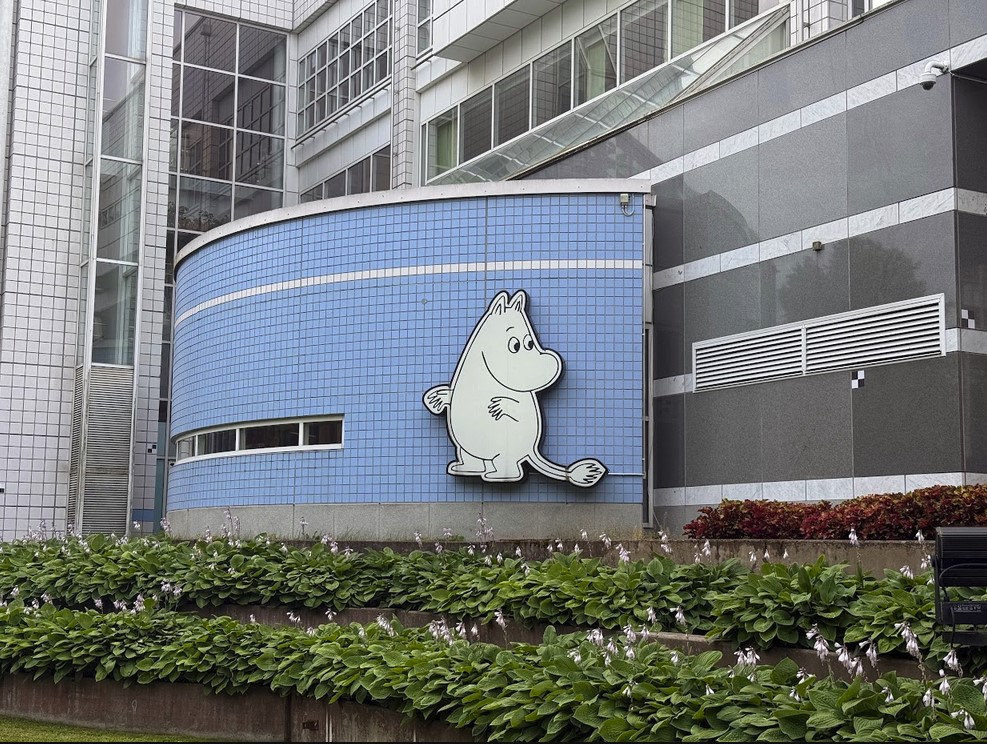
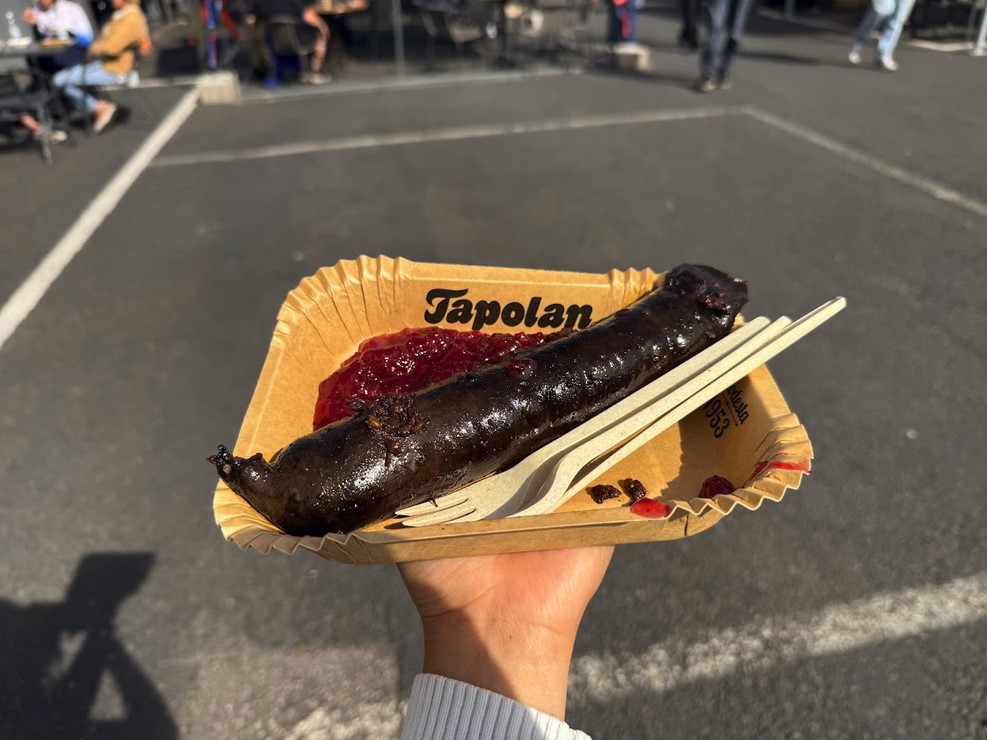
We also had opportunities to learn about Finnish culture outside the work activities. On one of our free days, we travelled to Tampere, visited the Moomin Museum, explored the farmers’ market, saw Tampere Cathedral, visited a bookshop and Kauppahalli, and had lunch together. Back at the camp, we learned to make Finnish pulla and karjalanpiirakka. These activities created opportunities for cultural exchange and allowed us to experience Finnish traditions in a more personal way.
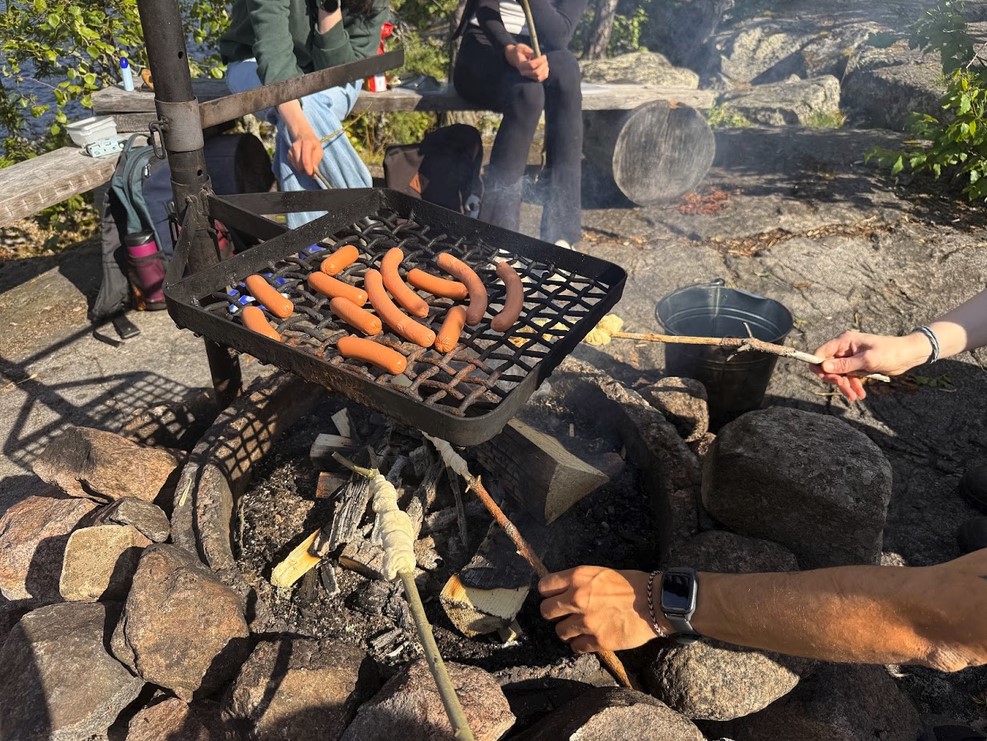
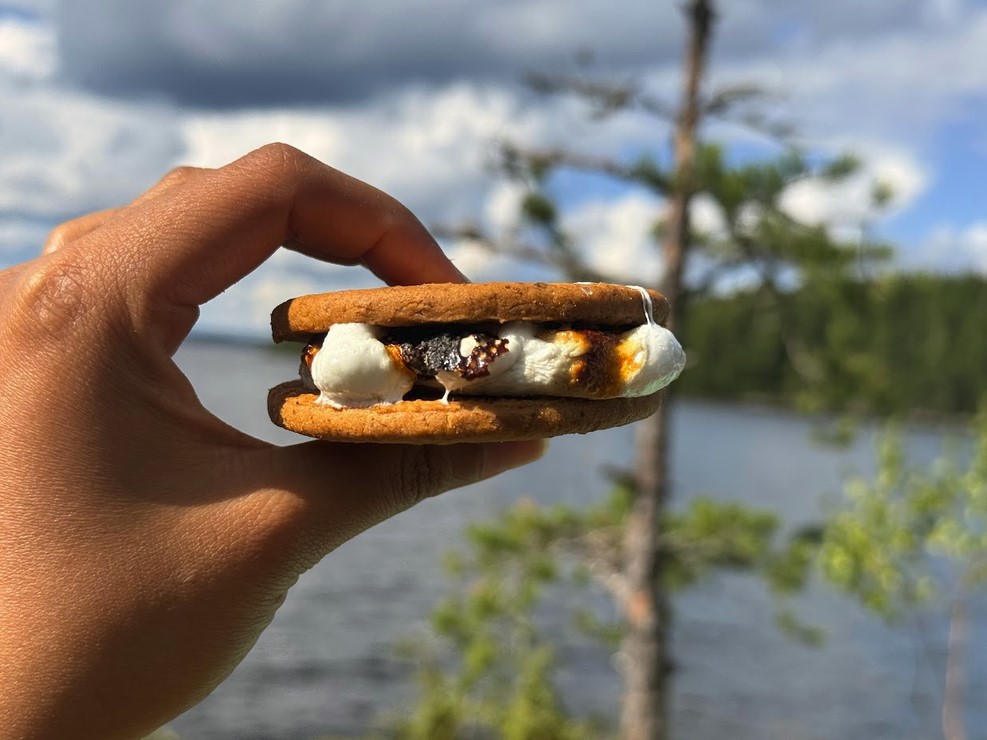
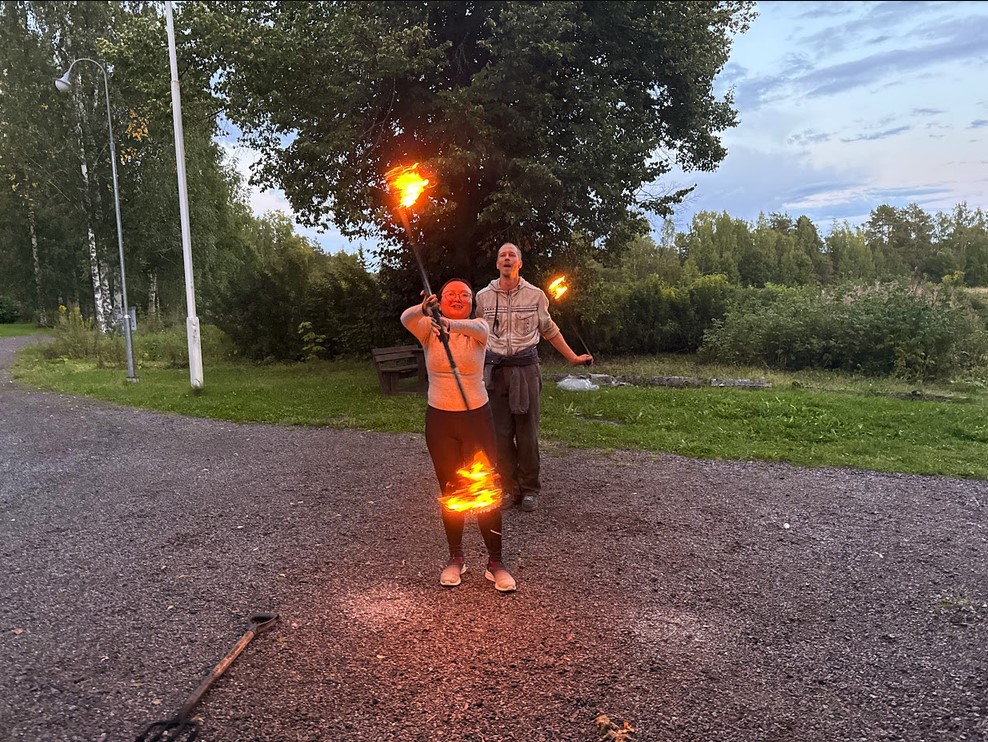
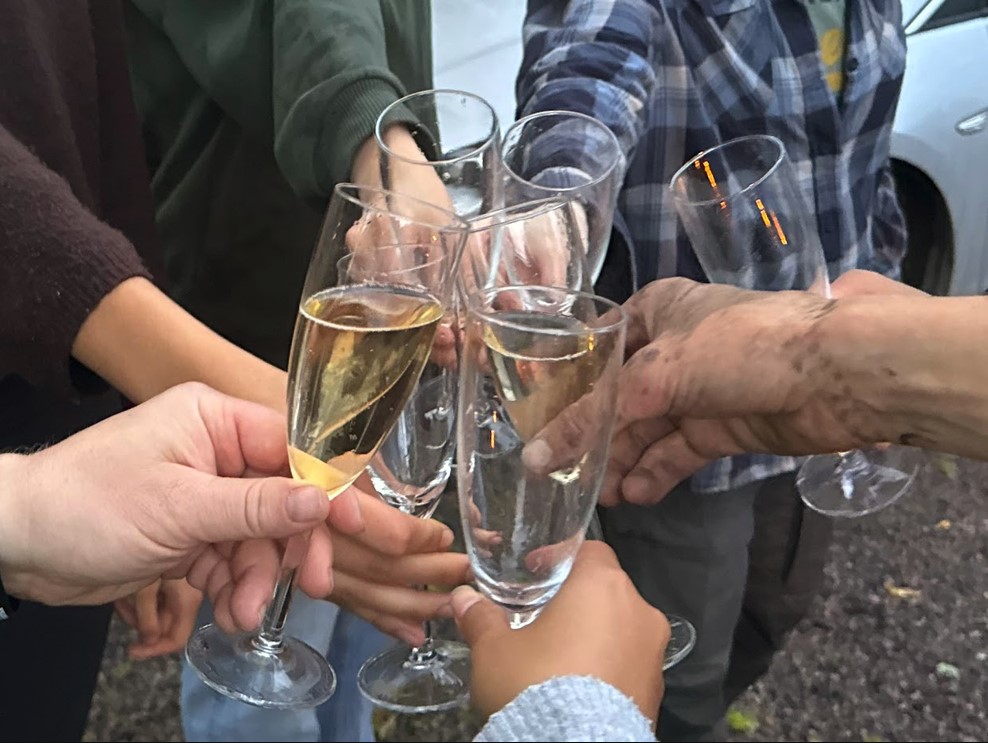
Our free days were also important for group bonding. We played frisbee, spent time around a fireplace, roasted marshmallows and made s’mores, German stick bread, and sausages. In the evening, we rowed a traditional boat that had historically been used by local people to cross the lake to attend church. We ended the day by enjoying cloudberry juice and a beautiful fire performance from our host. These moments reminded me that the social aspect of an international workcamp is just as important as the practical work. Personally, the camp helped me become more confident, patient, and adaptable.
Living and working with people from different cultural backgrounds required me to communicate clearly while also being open to different ways of doing things. I learned not to expect everything to happen exactly according to plan. Sometimes people needed more rest, tasks took longer than expected, or we had to change our plans because of the environment. I became better at responding calmly and finding practical solutions.
Overall, the workcamp was a valuable learning experience that combined environmental work, cultural exchange, community building, and personal development. As a volunteer, I gained practical knowledge about sustainable gardening and heritage landscape conservation. As a camp coordinator, I developed my communication, delegation, organisation, and leadership skills. Most importantly, I learned that leadership can be about creating a supportive environment where people feel heard, valued, and willing to contribute. I left the camp with a stronger appreciation for volunteering and a greater motivation to continue contributing to community and environmental projects in the future.
Best regards,
Gerawati Krismonika